Showing posts with label curry. Show all posts

Wednesday, 11 December 2019

Pork Katsu Curry for cheaters

Katsu is a wonderful Japanese food creation. Sure, there are other versions of it around the world, like Schnitzel, but there’s something about katsu. I think it is the unique texture and lightness of Panko breadcrumbs. They are, in my opinion, the best breadcrumbs in the world. I have no idea how to make them, so I confess I buy them in. 


Katsu can be served with a fruity sauce or curry sauce. If you are lucky and get to visit Japan, you will find specialist katsu restaurants. These take crispy, breaded cutlets to a new level. Elevated to lovingly made, art form, they are crunchy and crisp on the outside and soft and tender on the inside. Sometimes they will do a cheeky little tempura on the side. 


As I have confessed, I buy readymade Panko breadcrumbs. Other breadcrumbs, I might be prepared to make out of stale bread. Another thing I buy in is Japanese curry sauce. 

Japanese grocers sell many different curry sauce products. I favour the curry cubes, which are sold in little flat boxes with trays of solidified curry concentrate, waiting to be broken up and brought back to life. 


Here is my pork katsu curry for cheaters like me. I hope you like it. I got my ingredients from the Japan Centre and See Woo. Hopefully they are not difficult for you to find. 

Pork Katsu Curry for cheaters

Serves 2

Ingredients: 


2-3 pork loin chops

1 egg

Panko breadcrumbs

Plain flour

Salt and pepper

Vegetable oil

Half a mug of frozen peas

1 carrot, peeled and cut into thin slices of 4-5mm

1 potato, peeled and cut into

1 onion, peeled and finely diced

Japanese curry sauce block

400 ml water

Japanese rice, cooked, to serve

A dessert spoon of pickled red ginger, to serve

A sprinkle of toasted sesame seeds, to serve [optional]


1. Beat the egg in a mug with a fork. 


2. Using a meat tenderiser, smash the pork loin chops until around half and inch (1cm) thick and flat. 

3. Set up three plates, which should be at least as large as the now-smashed pieces of pork. One should have Panko breadcrumbs (around two handfuls), one should have the beaten egg. The last should have plain flour, which you will need to season with salt and pepper.

4. In a small pan, fry the onion until soft in a little vegetable oil (10 minutes).

5. In the meantime, parboil the carrot and potato in another pan (10-12 minutes). 

6. Take the pork pieces and initially dip in the flour, then the egg, then the breadcrumbs. Make sure the pork is covered liberally in the breadcrumbs to give lots of crunch.

7. Break up the curry sauce block or curry cubes, and combine with the water in a pan, when the curry has dissolved, put on the heat and add the onion, carrot and potato. Heat gently for 8 minutes. 

8. Fry the breaded pork for 6 minutes in all, three minutes each side. It should be a lovely golden brown. 

9. Add the peas to the curry sauce and continue to cook for another 2-3 minutes. 


10. Carefully cut the pork katsus into one inch thick (2.5cm) slices.

11. Serve up with cooked rice at the bottom, then the sauce, then the katsu slices. Put the pickled ginger on the side. Top with toasted sesame seeds, if using. 

Monday, 10 September 2018

Darjeeling Express, London

Darjeeling Express, on the 3rd floor of Kingly Court is something rather different. It is no ordinary Indian restaurant serving up your typical Madras, Vindaloo and Dhansak dishes, cooked up from an industrial jar of Patak's sauce mix. This is a place for homecooked style Indian food, a thing you weren't able to find unless some nice family invited you to their home or you had such food at home when you were growing up. 

Founder Asma Khan started the concept of Darjeeling Express in a supperclub at her home for many years. Later, she transferred to a pop up at The Sun and 13 Cantons. Now Darjeeling Express has a permanent home; a light, bright and relaxed restaurant environment in London's Carnaby district. Asma's food is the cuisine of her roots in West Bengal, and Kolkata in particular (which some still call by its old name, Calcutta). Kolkata is a city of dreamers, writers and poets. Their food is delicately spiced, often with a touch of sweetness.


Asma's kitchen staff is famously all female. Not only female, but real cooks rather than trained chefs; the mums, aunties and sisters who make the best Indian food happen. These women's wealth of cookery knowledge has been passed down to them through demonstration, explanation and experimentation. They bring dishes from their own regional traditions, expanding the menu to include dishes from south India and elsewhere. Asma also donates some of her profits to the Second Daughters Fund, to send celebration packages and educational funds to second daughters born in Kurseong in Darjeeling, as second daughters are often treated as unwanted or second best. 


I visited Darjeeling Express for a Summertime lunch. This meant that the large front windows were opened out fully, giving an Al Fresco feel to to proceedings. 

Dahi Vada (vegetarian) (£6)


A Summer special, this dish was described as "lentil dumplings in yoghurt spiced with roasted cumin and rock salt", but that doesn't really do this Chaat dish justice. The lentil dumplings are light and unstodgy, covered in thick yoghurt. The toppings are what bring everything together; a tangy sweet and tart thick tamarind sauce, freshly ground roasted cumin for warming spiciness and chilli powder for a little heat.

Channa Chaat (vegan) (£7.50) 


Chaat dishes are always sour, with a touch of sweet. Some are spicy, some hot, and some incendiary. It is always about the combination of contrasting flavours and textures. This chick pea (Channa) chaat dish has chick peas coated in a gently spiced sauce, covered in chopped red onion (for crunch), sev (fried lentil flour noodles for crispiness), chopped coriander (for herby fresh flavours), chopped green chilli (for heat) and tamarind sauce (for mouth pinching sourness). Hot enough that it doesn't feel "dumbed down", this had us licking our lips for joy. Plus, it is vegan, so you can share it with a group and not worry about any sneaky banned ingredients. 

Tangra Chilli Garlic Prawns (£8)


Kolkata is the only Indian city with a "Tangra" - a Chinatown. Indians love the flavours of Chinese food, often with a little extra heat added. These Indo-Chinese prawns were perfectly cooked (in other words, just cooked to keep their texture), with chilli and spicing reminiscent of Szechuan cooking. These were truly special and we almost fought over them! 
  
Pakora Platter (vegetarian) (£6)


Lightly battered potato and aubergine fritters, this was a bit of indulgence for us. But every now and then you need to treat yourself to something naughty and fried. The tomato chutney was very hot and spicy, which went particularly well with the potato bonda.

Murgh ka Saalan (£14)


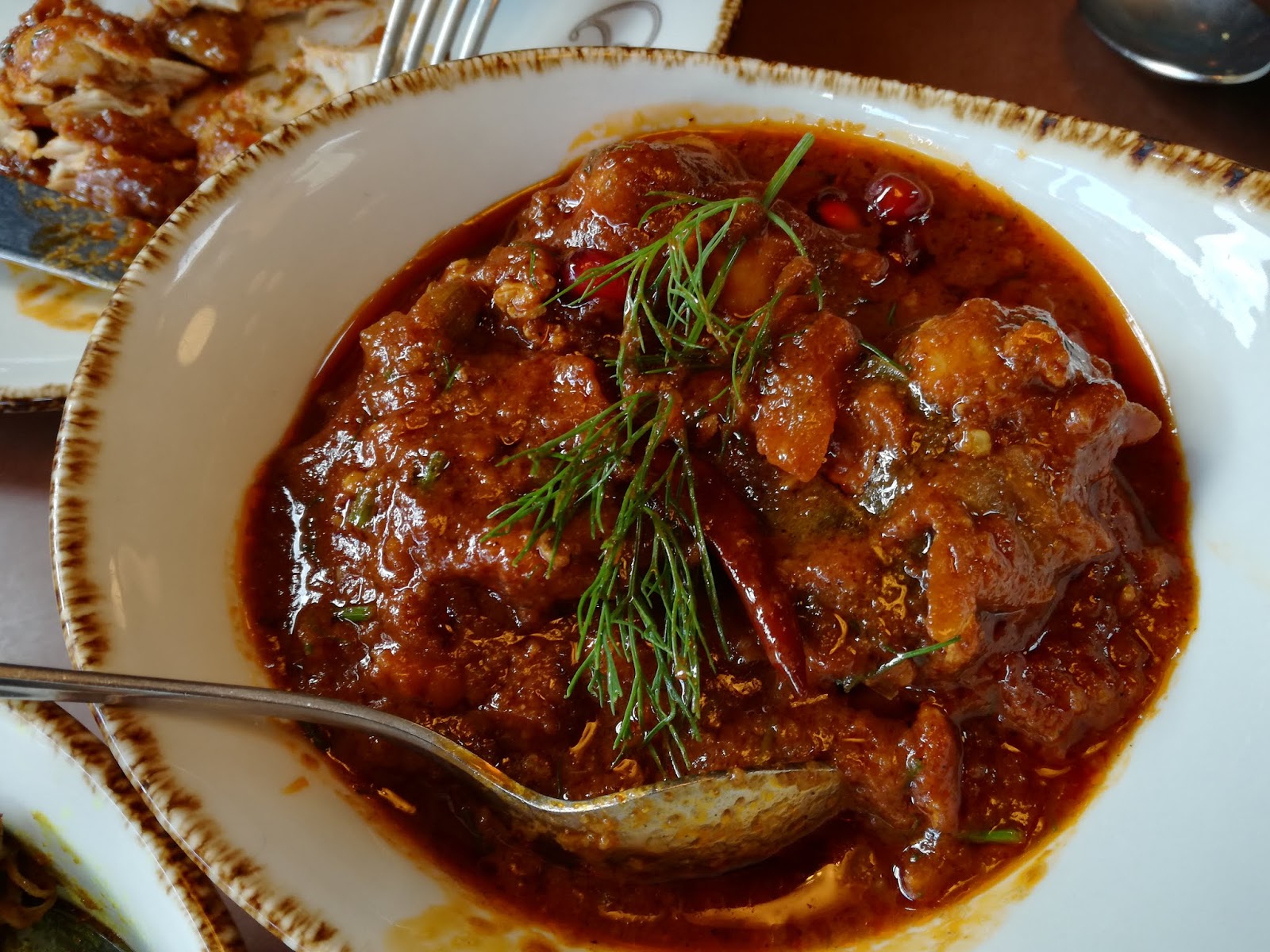
Boneless chicken thigh meat (a cut of chicken very well suited to Indian cooking, for the home cooks who read this blog), cooked in a tomato and dill sauce. These tender chunks of  chicken were in a medium hot sauce, in which they'd been cooked. If you are sceptical about the use of dill, it is balanced by the tomato tang. 

Goat Kosha Mangsho (£14)


A slow cooked curry, this has been gently braising for hours. The result is meat which is utterly tender. Spiced with coriander, cinnamon, nutmeg and cumin, this is sumptuous. If you are unfamiliar with eating goat, please do not fear. This is like the best lamb curry you have ever tasted. We all went back for seconds of this dish. It is astonishingly good. 

Beetroot Chop (£4)


In Bengali cooking, a "chop" is something specific. Cooked minced meat or mashed vegetables, coated in breadcrumbs and fried, rather like a croquette. Lamb "chops" of this time are a treat I wish you could all try at some point. These beetroot chops are soft on the inside with a little crispiness on the outside, with the earthy loveliness of beetroot. If you like beetroot, you'll love this. The chutney accompaniment was very thick and intensely sweet, making a great foil for the delicate little croquette like chops. 

Puris (vegan) (£4)


These fried handbreads, even though risen, are unleavened. Made from a very simple white flour dough are crumbly and deceptively light. Perfect for mopping up all the juices of the sumptuous mains.  

Bhapa Dhoi (£5)


It is hard to explain this dish, as it is a dessert made by steaming yoghurt, which causes it to solidify and concentrate the sweetness of the milk. The closest comparison is with creme caramel, but even that is a poor comparison. Richly sweet, with a slight bite, don't let the slight browning of the yoghurt put you off. This is old style Bengali food, reminiscent of what your grandmother might make if you grew up in Kolkata with the dreamers of that city. 

Hyderabadi Khoobani ka Meetha (vegetarian) (£5)


Cute little Hunza apricots stewed in sweet cardomom flavoured water, served with cream, this is intensely sweet and moreish. A dessert to share for a sweet finish to a memorable meal.

There are a small number of truly good Indian restaurants in London. Darjeeling Express joins that select list with ease and style. Watching the chefs (untrained they may be, but chefs they most definitely are) work industriously gives you a feeling of how much love has gone into this food. I can't believe it has taken me so long to get round to eating here. But one thing is for sure; I will be going back. 


Darjeeling Express
Top Floor, Kingly Court
Carnaby, London
W1B 5PW

Mon to Sat  12 – 3pm, 6 – 10pm
Website: https://www.darjeeling-express.com/
Email: info@darjeeling-express.com

Snigdha and her companions paid in full for their meal. This review represents Snigdha's genuine experience and opinions. Snigdha has received no incentive, financial or otherwise for posting this review.