Showing posts with label soup. Show all posts

Sunday, 6 February 2022

Seafood noodle soup

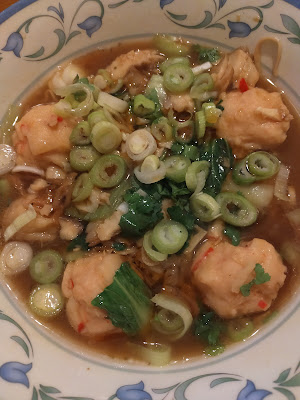
This was a recent suppertime experiment, inspired by finding frozen fish balls in the Vietnamese supermarket in Greenwich. These were “lobster flavour”, never claiming to actually contain lobster. They looked like they had a firm texture with good “bite” which could create interesting contrast with al dente noodles, prawns and fish. 


The soup has east Asian influences, but I cannot vouch for any kind of authenticity, nor do I claim any. As I have already said the fish balls came from a Vietnamese supermarket, and I can tell you that the dried shrimp from a Japanese grocers and the fried onion and fried garlic from a Chinese supermarket. So I used a number of east Asian ingredients, but with no unifying cultural theme for the dish. 

The result was a comforting bowl of hot soup on a cold night, dotted with seafood, full of fragrance and flavour, which managed to be light. It was warming without being heavy, leaving a feeling of comfort without feeling overindulged. We enjoyed it and intend to make it again. I hope you will like it!

Seafood noodle soup
 

Ingredients

(Serves 2 for a generous main meal)

Noodles:

2 nests dried egg noodles

1 teaspoon groundnut oil

Seafood:

6 raw king prawns, cut in half along their length

1 fillet of fish (I used tilapia on this occasion), frozen

10 fish balls (I used lobster flavour fish balls), frozen

Soup:

800ml fish stock

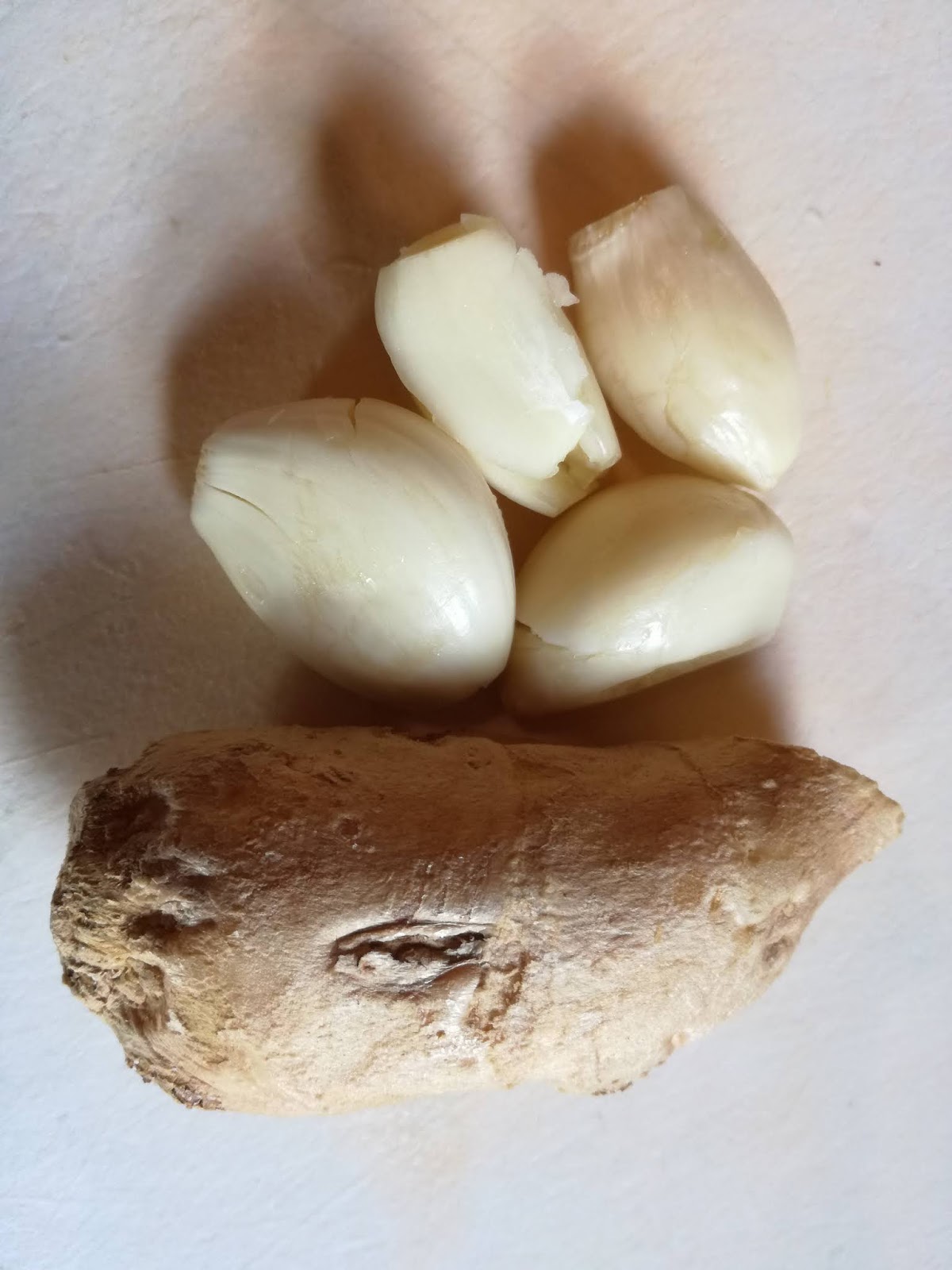
4 cloves garlic, peeled and sliced

1” piece of ginger, peeled in cut into matchsticks

2 tbsp dried shrimps (I used the teeny tiny Japanese dried shrimp)

2 tablespoons crispy fried onions

1 tablespoon crispy fried garlic

1 tablespoon light soy sauce

1 tablespoon fish sauce

2 tablespoons Shaoxing rice wine

1 teaspoon Asian chicken bouillon (optional, or a quarter teaspoon of MSG, also optional)

1 head of pak choi cut into 2cm chunks, split up the green and the white bits

To serve:

1 teaspoon chilli oil

1 teaspoon pure sesame oil

2 spring onions finely sliced in rounds

1 tablespoon finely chopped coriander

Method

1. Cook the egg noodles according to the pack instructions. Drain, rinse with cold water and coat with the groundnut oil to prevent sticking. Work the oil through the noodles carefully, rather than add more oil, you don’t want the soup having an oil slick over the top.

2. Heat up your stock, or if using ready made, put your stock in a pan on a medium heat. Add the dried shrimp, Bouillon powder, Shaoxing, soy sauce, fish sauce, fried ginger, fried garlic, fresh ginger and fresh garlic. Let the flavours meld and ensure the stock is piping hot.

3. Add the fish balls for 5 minutes. Increase the heat if needed, as the frozen fish balls will bring down the temperature of the stock.

4. Then add the prawns, fish fillet and white parts of the pak choi and cook for another 2 minutes.

5. Add the green parts of the pak choi and cook for a further 2 minutes.

6. Get large bowls ready and split the cooked noodles among the bowls.

7. Serve the soup on top of the noodles.

8. Top with the coriander, spring onions, chilli oil and sesame oil.

9. Bring to the table with chopsticks, a ramen/noodle soup spoon and, if needed, a knife and fork.

Enjoy!

Tuesday, 20 April 2021

Wild garlic soup

Some years ago I was given the gift of a wild garlic plant. Given to me by Food Urchin blogger (http://www.foodurchin.com), foodie, content editor and social media manager Danny Kingston, I lovingly planted it in my south facing back garden.


If you have wild garlic available to you, whether in your garden or foraging (although my European friends tell me you can actually buy wild garlic in the supermarket), you might want to preserve it. My friend and food blogger Kavey has this advice on preserving wild garlic: https://www.kaveyeats.com/how-to-have-wild-garlic-all-year-round

I’ve been warned about how wild garlic can spread and “take over” your garden. Somehow the winters in South London have managed to limit the ambitions of my wild garlic plant, which is limited to a small corner of the back garden flowerbed. I left it for a few years to acclimat
ise and build up its strength in its new home. I am well aware that bulb plants need to be left alone before you can bother them. 


This year, it looked vigourous enough to take some leaves and flowers from to do some cooking with. After all, that was the point of growing it, right?

One of my Twitter friends suggested making a soup with the wild garlic leaves, so here is my version of wild garlic soup.

This makes enough soup for 4 portions. You can choose to make the soup and split it up into two portions, one to have now and another to have later. If so, then miss out the topping stage when you portion up the soup for the fridge. Leave the serving ingredients for when you reheat the soup and serve up. Remember that when you reheat you should not allow the soup to boil, but to heat up until it is piping hot (it is steaming and hot all the way through).

Wild garlic soup


(Serves 4)

Ingredients:

500g floury potato, peeled and diced

50g wild garlic leaves (you can include the stalks as they are fresh and garlicky flavoured in the Spring, they are not woody at all), cut into strips. 


One organic onion (medium to large), peeled finely diced. You could use a leek instead, particularly the green parts for the colour.

1 litre hot vegetable stock

2 tablespoons of olive oil

Freshly ground black pepper

Salt, to taste (optional, as the stock may already have salt – check to taste)

To serve:

2 leaves wild garlic, cut into narrow strips, to serve

4 wild garlic flowers, to servie

4 tablespoons double cream, to serve

Method:

First heat up the 2 tablespoons of olive oil on a medium heat and when hot, add the finely diced onion. Cook for 12 minutes on a low to middling heat. You want the onion completely soft but not coloured.


Next add the 500 g diced potato and 1 litre of hot vegetable stock. Cook this for 20-25 minutes on a medium heat.


While the potato was cooking, I shredded the wild garlic, leaves, stems and all. I left this until later to prevent the wild garlic from drying out or wilting. 


Take the pan with the potato, onion and stock off the heat, add the wild garlic, stir well to combine.

Now blend the soup. I did this in the pan with my trusty stick blender. You can always use a worktop blender. 


Once blended, add a sprinkling of raw shredded wild garlic, a drizzle of double cream (about 1 tablespoon per bowl) and a wild garlic flower. Season with freshly ground black pepper. Taste for the salt content and add salt if needed. 


Enjoy immediately, unless you are reserving half for later, as per the instructions above.

Saturday, 6 March 2021

Chicken and sweetcorn soup with egg

This recipe is my attempt to recreate Chinese restaurant style sweetcorn soup. I posted a photo of the finished dish on social media and was amazed to receive several requests for the recipe. I wasn’t prepared for this, so I’m sorry but I don’t have any of my more usual step-by-step photos with the instructions this time. 


It may well be that some of the ingredients I’ve chosen are those used in Chinese food, but are not authentic to this dish, but I wanted a soup which wasn’t too bland given the main ingredients are sweetcorn and stock. If my recipe isn’t quite right, then I apologise. This is very much my take on this soup, made for my taste. Absolutely no disrespect was intended.

I have made this soup with chicken and egg. I have been advised you can make it more luxurious by adding crab meat.

I have used Hong brand creamed corn. Your local Chinese grocers should sell cans of creamed corn and some supermarkets sell it. If you can’t get it, then you might have to use a can of regular sweetcorn and blitz it in a blender with a small amount of milk and/or cornflour mixed with water. 


I have used homemade vegetable stock to make this soup. You do not need to, and you can use either a stock pot or a stock cube. I will indicate in the instructions what to do if you are using pots or cubes.

You can find ginger paste in the supermarket, and I would have used fresh ginger had I not run out of it!

Shaosing (or Shaoxing) rice wine is a hero ingredient for Chinese food. It adds depth of flavour and complexity to your cooking. It is very useful for creating Chinese style marinades. I would advise you to try to seek it out from a Chinese grocery story (although some supermarkets sell it), but if you can’t get hold of it or don’t want to invest in it for a single recipe, just omit it. Don’t substitute for something else as it won’t be the same. Obviously, if you do not consume alcohol for any reason, miss this ingredient out.

Serves 2 people as lunch/dinner or serves 4 as a starter

Ingredients

2 chicken thigh, deskinned and deboned

1 can creamed corn

1 teaspoon ginger paste (or a half inch piece of ginger peeled and grated finely)

1 tablespoon Shaosing rice wine

1 tablespoon light soy sauce

700 millilitres of vegetable stock (or chicken stock)

1 tablespoon of cornflour, dissolved in 2 tablespoons of chicken stock, in a small bowl

2 eggs, beaten and left in a separate bowl

2 spring onions, sliced, including as much of the greens as you can manage


Method

In a small pan, cover the chicken thighs generously in water, bring to the boil and then simmer for 10 minutes. Remove the chicken and when cool enough to handle, chop into small dice. If you are not using homemade stock, you might want to save the water and use it to make up chicken or vegetable stock using either a stock cube or stock pot. Leave the chicken to one side.

Put the stock in a saucepan and heat up. Once hot, but not boiling, add the creamed sweetcorn, ginger, soy and Shaosing. The heat will drop because the sweetcorn is room temperature. You need to keep the heat on it so that it is piping hot but not boiling.

When it is hot, add the chicken and sweetcorn/stock blend. Mix thoroughly. Ensure that it gets back to a hot, but not boiling temperature. (If you are using leftover chicken from the fridge, you might want to make sure you give the chicken a few minutes to get heated up. This is necessary to avoid food poisoning.)

Get the beaten eggs ready. Swirl the soup and slowly drizzle the egg into the soup. It should form coagulated threads almost immediately. If it doesn’t do so, then the soup isn’t hot enough, so increase the heat, wait and try again. Keep the soup moving and swirling while you then slowly pour in the remaining beaten egg.

When you can see that all the egg has turned into cooked threads of protein, the soup is ready. Dish up into bowls and top with the spring onions.

Enjoy while it is hot. The cooked egg is not particularly suitable for reheating, so eat the soup now.

Tuesday, 5 November 2019

Double spiced parsnip soup


Serendipity is a beautiful word, meaning a “happy accident”. I had one such happy accident just the other day. We were due to be making a recipe which required a parsnip. I made a mental note to buy some on my way home from work, and felt super-efficient when I actually remembered and bought them. Unbeknownst to me, my other half, the inimitable Him Indoors, had the exact same idea. We now had two bags of supermarket parsnips when we only needed a single one for our supper!


The world works in strange and random ways, it turns out that my friend Adey, who has written a guest post here in the past, had very recently tweeted about making a spicy parsnip soup. What were we going to do with our 7 surplus-to-requirements parsnips? Make a beautiful soup! (You will find Adey's brilliant recipe post here: https://snigskitchen.blogspot.com/2019/02/adeys-lamb-with-parmesan-champ-and.html)


So, this soup is a soup of serendipity. I have tried to use the Indian technique of cooking with whole spices first, before using ground spices. I have used Bengali Panch Phoran, which is a mix of Nigella seeds (khalo jeera), Fenugreek seeds, Cumin seeds (jeera), Fennel seeds (saunf) and Black mustard seeds. It is the same spice mix as I use for making the tarka for my dahl (the fried onion, garlic and spice mix I throw into my cooked dahl just before serving, as explained here: http://snigskitchen.blogspot.com/2011/06/how-to-make-dahl.html). The ground spice is Garam Masala, I used Fudco brand, rather than make my own this time. TRS and Rajah are also good brands to buy. You can find out how easy it is to make your own Panch Phoran here: http://snigskitchen.blogspot.com/2011/06/how-to-make-your-own-panch-phoran.html
 

To compliment the spice, I am also using ginger and garlic. I have used crème fraiche as the dairy based thickener for the soup, but you could use double cream for texture and indulgence.


Double spiced parsnip soup

(Serves 4)

Ingredients: 

7 parsnips, peeled then diced

4 banana shallots, peeled then diced

A 1.5 to 2" piece of ginger, peeled then very finely diced

4 cloves of garlic, peeled then very finely diced

1.5 teaspoons Panch Phoran

A 2" piece of cinnamon

2 teaspoons garam masala

1 teaspoon brown sugar

1 litre of stock (vegetable or chicken, as you prefer)

Freshly ground black pepper

1 tablespoon butter or ghee

2 tablespoons cold pressed rapeseed oil (or ground nut oil, you want a neutral oil)

4 tablespoons crème fraiche (or double cream)


You will need:

A large saucepan, a blender or stick blender

Method: 

1. In the large saucepan, melt the butter in the oil on a low heat. Mix thoroughly. 


2. Now raise the heat, and add the shallot. Fry the shallot for 5 minutes on a medium heat, but without browning it.


3. Add the panch phoran and cinnamon, fry for 1-2 minutes (until you can smell the spices).

4. Now throw in the diced garlic and ginger, fry for another 5 minutes, lowering the heat if needed to prevent the ginger and garlic burning. If they burn, it will ruin the flavour of the soup. 

5. Time to add the diced parsnip, stir thoroughly to combine. 


6. Fry for 10 minutes on a medium heat, moving the ingredients around to prevent burning and sticking.


7. Add the garam masala, brown sugar some ground black pepper and stir for 1 minute. You should be able to smell this new spice blend as a result.


8. Pour in the stock, make sure all the garam masala is mixed up, because you do not want clumps. Put on a simmer and cook for 25-30 minutes, or until the parsnips are soft. 


9. Blend using a blender or stick blender.

10. Stir through the crème fraiche, warming through if necessary.

NOTE: If you have made a large quantity to have more than once, don't add the crème fraiche now. Add it after you warm it up, immediately before serving. 
 
11. Serve and enjoy immediately.